Eco-Friendly Approaches: How E-Waste Recycling Services Are Preserving Our Planet
E-waste represents a considerable hazard to the environment, as abandoned electronic devices commonly carry harmful materials. These hazardous substances can contaminate soil and water, resulting in widespread environmental harm. E-waste recycling services present a viable solution. They not only recover valuable resources but also mitigate pollution. Comprehending the operation of these services and their influence on communities is of great importance. The path to successful electronic waste management prompts vital discussions about personal accountability and communal efforts. What steps can be taken next?
How E-Waste Is Hurting the Planet
While technology enhances contemporary living, e-waste creates significant environmental threats. Disposed electronic equipment, commonly laden with toxic substances including mercury, lead, and cadmium, can leach toxins into soil and groundwater, creating hazards for ecosystems and human health. The rapid pace of technological advancement contributes to higher rates of electronics disposal among consumers, worsening the buildup of electronic waste.
Landfills, already burdened with waste, struggle to accommodate the growing volumes of discarded gadgets. Incineration, a common waste management technique, emits dangerous pollutants into the environment, degrading atmospheric conditions. In addition, improper recycling practices can lead to the exportation of e-waste to developing countries, where laborers may dismantle devices without adequate safety measures, exposing themselves to dangerous substances. This pattern of negligence and mismanagement highlights the critical demand for eco-friendly recycling alternatives that can reduce the damaging impact of electronic waste on the environment.
What Is E-Waste and Why Is It Important?
Electronic waste, commonly known as e-waste, encompasses unwanted electronic equipment such as smartphones, computers, and televisions that are no longer functional or needed. This rapidly expanding waste category is noteworthy due to its rapid accumulation, fueled by innovation in technology and shifting consumer habits. As more devices become obsolete, the toll on the environment grows more severe, with harmful substances like lead, mercury, and cadmium threatening both ecosystems and public health.
The significance of tackling e-waste extends beyond minimizing these risks to recognizing the valuable resources it holds. Valuable metals and rare earth materials can be extracted and repurposed, lessening the demand for mining and preserving natural resources. Through a deeper awareness of e-waste and its consequences, both individuals and organizations can make well-informed choices regarding disposal and recycling, thereby supporting a more sustainable future. Proper management of e-waste is essential for fostering a circular economy and promoting environmental stewardship.
How the E-Waste Recycling Process Works
Recycling e-waste involves a structured approach aimed at reclaiming useful resources while minimizing environmental impact. To begin, discarded electronics are retrieved and sent to purpose-built recycling plants. Upon arrival, the equipment is meticulously organized to separate hazardous components from recyclable materials.
Next, specialists dismantle the electronics, separating glass, metals, and plastics. This stage is crucial, as it facilitates the extraction of valuable metals like silver, gold, and copper, which can be reused in modern electronics.
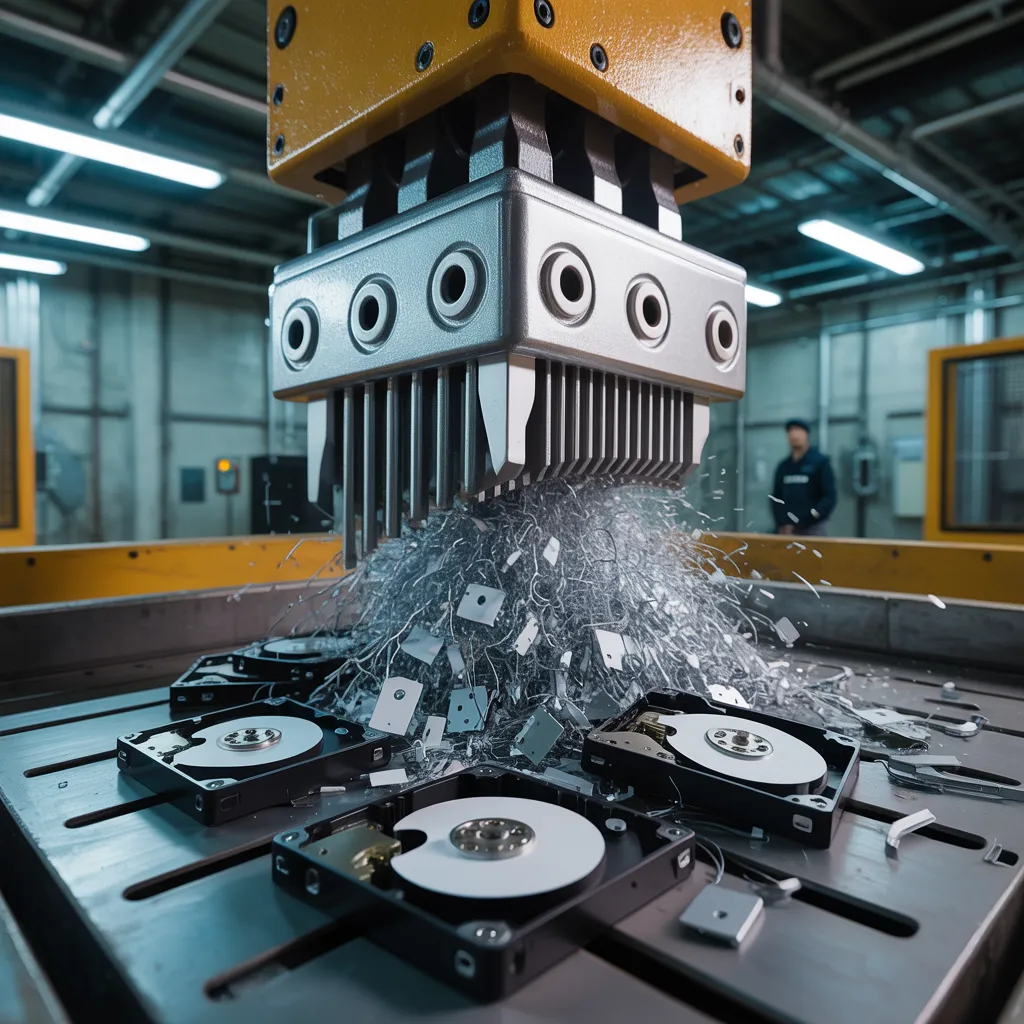
Subsequently, the divided materials are handled via state-of-the-art techniques, such as shredding and chemical treatments, to purify them for repurposing.
Finally, the remaining hazardous waste is handled with responsibility, adhering to eco-friendly standards. This comprehensive process not only saves important resources but also minimizes the hazards linked to irresponsible electronic waste disposal, securing a more eco-conscious future for the consumption of electronics.
The Benefits of E-Waste Recycling for You and Your Community
While many individuals may not realize it, the advantages of e-waste recycling extend beyond personal convenience to positively impact entire communities. By responsibly disposing of electronic waste, individuals play a role in creating a safer environment, minimizing hazardous materials that can contaminate soil and water. This responsible method helps preserve local ecosystems and promotes public health.
In addition, e-waste recycling promotes workforce growth within communities. Nearby recycling establishments regularly need employees for various operations, covering everything from collection to processing, consequently creating meaningful employment within the community. This not only strengthens the regional economy but also encourages community engagement in sustainable practices.
Additionally, knowledge about e-waste recycling has the potential to generate community outreach programs, empowering residents to pursue greener alternatives. By participating in e-waste recycling programs, individuals promote a culture of sustainability, inspiring others to do the same. In summary, the shared impact of these actions can contribute to a more resilient and environmentally responsible community.
How to Choose an E-Waste Recycling Service
Picking the right e-waste recycling service is essential for making sure that e-waste is managed with responsibility and sustainability. Initially, consumers should check the service's credentials, such as R2 or e-Stewards, which signify adherence to established benchmarks for secure waste disposal procedures. Additionally, it is advisable to evaluate the company's credibility by reading customer reviews and looking for advice from dependable sources.
Moreover, transparency in the recycling process is vital. A trustworthy company should provide clear information about the way e-waste is handled and what happens to the materials. Additionally, evaluating the range of services offered can be beneficial; certain providers may offer collection services or present rewards for recycling.
Ultimately, learning about local guidelines related to e-waste disposal may further shape the choice of disposal method. By taking these elements into account, individuals can contribute to responsible e-waste disposal as well as promoting sustainable environmental efforts.
Ways You Can Participate in E-Waste Recycling?
Engaging in e-waste recycling can start at the local level, where recycling centers often provide essential services for safe disposal. Furthermore, participating in community awareness campaigns can amplify efforts to raise awareness about the importance of responsible e-waste management. Such efforts not only encourage sustainable practices but also build a collective sense of accountability for the environment.
Regional Recycling Centers
Numerous neighborhood recycling stations serve a vital function in electronic waste recycling, supplying communities with reliable ways to handle electronic waste in a responsible manner. These stations receive a selection of electronic devices, including used computers, handheld devices, and televisions, guaranteeing that dangerous substances are processed safely. Many hubs feature trained staff who are able to assist individuals with correct disposal techniques, stressing the significance of recycling instead of landfilling. Additionally, many centers offer scheduled drop-off occasions or specific collection dates, allowing residents to take part with ease. By utilizing these local services, residents support a circular economy, reducing environmental impact and promoting sustainable practices. Engaging with these centers allows communities to address e-waste pollution proactively.
Community Education Campaigns
Community groups, educational institutions, and companies can partner to arrange initiatives that encourage e-waste collection drives. Dedicated participants can take a leading part in raising awareness, sharing informational resources, and connecting with local residents. By means of these joint initiatives, residents become more informed and motivated to recycle their electronic waste, thereby helping to build a greener and more sustainable tomorrow.
Answers to Your Most Common Questions
Which Types of Electronics Are Recyclable?
Various electronics can be recycled, including computers, smartphones, televisions, laptops, gaming consoles, and printers. Furthermore, accessories such as mice, keyboards, and batteries are well-suited for recycling, promoting eco-friendly conservation initiatives.
Do Any Costs Come With E-Waste Recycling?
That's correct, electronic waste recycling can include charges, subject to the facility. Some facilities impose See details charges for pickup or handling, while other facilities offer free services, frequently supported by the proceeds from salvaged materials.
What Are the Benefits of E-Waste Recycling for Businesses?
Organizations can gain from e-waste recycling by minimizing disposal costs, improving their green reputation, complying with regulations, reclaiming useful materials, and possibly earning income through resale, ultimately contributing to a more sustainable operational strategy.
What Happens to Data on Recycled Devices?
Information regarding repurposed devices is commonly permanently erased or obliterated throughout the recycling process. This guarantees confidential data stays protected, blocking unwanted intrusion while enabling materials to be reused carefully and ethically across new manufacturing processes.
Are Broken Electronics Eligible for Recycling?
Absolutely, non-functioning electronics may be recycled. Numerous collection points accept defective devices, providing safe disposal and extraction of useful materials. This helps lower the environmental footprint while fostering responsible recycling practices to control electronic waste effectively.